Bakery Sandwich Guide: Why the Bread Makes the Difference
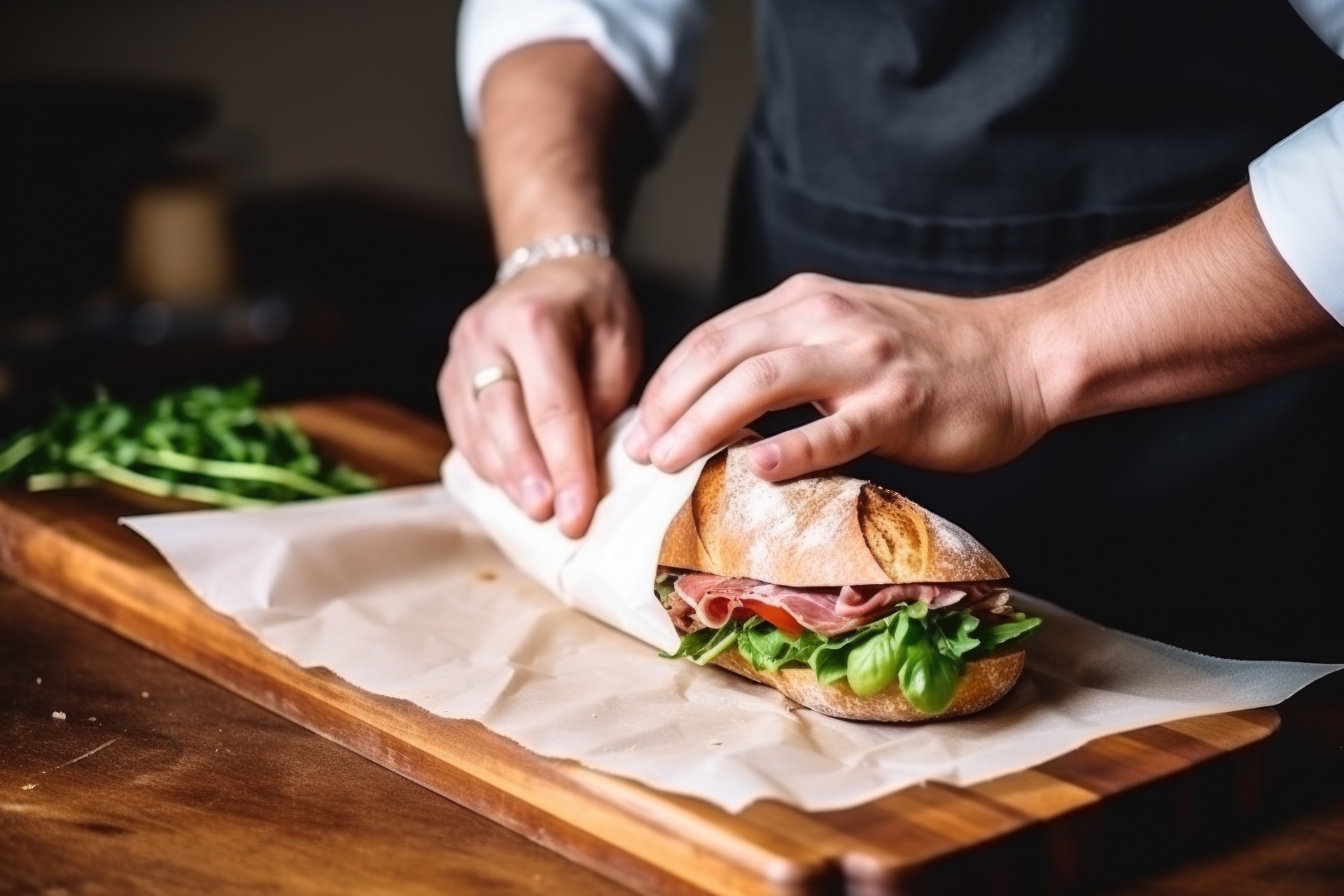
Most people think about a sandwich in terms of what is inside it: the meat, the cheese, the sauce. But the bread is doing more work than any single filling. It holds everything together, absorbs moisture, and shapes the texture of every bite. If you have been searching for cafe sandwiches near me and wondering why some sandwiches taste noticeably better than others, the bread is usually where that difference starts.
A great bakery sandwich is not just a vehicle for filling. It is a balance between crust, crumb, and structure, built to hold up under weight and moisture without turning soft or falling apart halfway through lunch. Once you start paying attention to that balance, it becomes much easier to explain why two sandwiches with nearly identical fillings can feel completely different to eat.
Why Bread Quality Changes Everything About a Sandwich
The same filling can taste completely different depending on what it sits between. A soft, flavorless commercial bread tends to compress under weight and lose its texture quickly, especially once it comes into contact with anything wet, like tomato, dressing, or melted cheese. Bread with real structure holds its shape, keeps some resistance when you bite into it, and lets the filling stay the star without falling apart in your hands.
This is part of why searching for bakery sandwiches near me tends to lead to a noticeably different experience than a quick stop at a convenience counter. Bakery bread is usually made in-house, from a smaller batch, and baked specifically with eating in mind rather than mass distribution.
What Makes Artisan Bread Different
Artisan bread is not just a marketing term. According to the American Society of Baking, artisan bread is typically defined by a lean formulation with little to no dough conditioners, along with a crusty exterior and an open, irregular crumb structure, usually baked in hearth-style ovens that use steam to develop the crust. That combination of a sturdy crust and an open crumb is exactly what makes artisan bread hold up well in a sandwich, since it resists sogginess better than a softer, tighter-crumbed commercial loaf.
If you are curious about the range of bread styles a bakery might use for sandwiches, Kneads’ own guide to artisan bread types breaks down how sourdough, baguette, and other styles differ in crumb and crust, which is a useful starting point for understanding why one loaf works better for a sandwich than another.
Crust, Crumb, and Why They Matter for Sandwiches
Crust and crumb play different roles in a sandwich, and a good bakery pays attention to both. The crust provides structure and a bit of resistance, keeping the sandwich from collapsing when you pick it up. The crumb, the interior of the bread, needs to be sturdy enough to hold fillings without compressing into a dense, gummy mass, but not so dry that it crumbles apart.
Bread with a tight, uniform crumb tends to work well for delicate fillings like egg salad or thinly sliced meats, since it will not overwhelm the filling. Bread with a more open, airy crumb, like a good sourdough or ciabatta, can stand up to heartier fillings and more moisture without falling apart.
Bread Structure and Moisture: Avoiding Sogginess
One of the most common sandwich failures has nothing to do with the filling. It comes down to moisture management. Wet ingredients like tomatoes, pickles, or dressing can quickly turn a low-quality bread soft and difficult to eat.
Bakeries that make sandwiches well often account for this in a few ways: toasting bread lightly to create a moisture barrier, placing wetter ingredients away from the bread’s cut edges, or choosing a bread with enough crust and crumb density to resist saturation for longer. This is one of the quieter details that separates a well-constructed bakery sandwich from one that was assembled without much thought.
Matching Bread to Filling
Not every bread works for every sandwich, and a thoughtful bakery treats bread choice as part of the recipe rather than an afterthought. A hearty, well-structured loaf suits heavier fillings like roasted meats or thick spreads. A lighter, softer roll works better for delicate fillings that would otherwise get lost against a denser bread.
The goal is balance. Bread that overpowers the filling makes for an unbalanced bite, while bread that cannot hold up to the filling falls apart before you finish eating. Getting this pairing right is less about following a strict rule and more about understanding how each bread behaves once it is filled, whether that means a crustier roll for a meatier sandwich or a softer loaf for something lighter.
What to Look For When You Are Craving Lunch Baltimore Style
If you are searching for lunch Baltimore options and want something more substantial than a quick bite, a bakery sandwich is often a stronger choice than a typical fast-casual option, since the bread itself tends to be fresher and more deliberately made. A few things to look for: a crust with some visible texture rather than a uniform, machine-made look, a crumb that holds its shape when pressed gently, and a sandwich that feels balanced in weight rather than dominated by bread or filling alone.
If you are unsure what is available, it is worth checking the current lineup before you order online for pickup, since bakery sandwich offerings can shift with what bread is freshly baked that day.
The Craft Behind Bakery Bread
Behind a good bakery sandwich is often a baker trained in a tradition that treats bread as a craft rather than a commodity. Organizations like the Bread Bakers Guild of America exist specifically to support and educate bakers in artisan techniques, from fermentation to shaping, reflecting how much intention goes into a loaf before it ever reaches a sandwich board.
That craft is part of why the bread at a genuine bakery tends to taste different from bread produced purely for shelf life and shipping efficiency. It is baked with eating, not just packaging, in mind.
Frequently Asked Questions
Why does bakery bread make such a difference in a sandwich?
Bakery bread is typically fresher, has a more deliberate crust and crumb structure, and is made specifically for eating rather than long shelf storage, which affects both texture and flavor.
What type of bread holds up best for sandwiches with wet ingredients?
Bread with a sturdier crust and denser crumb, like a good sourdough or ciabatta, tends to resist sogginess better than a soft, airy roll.
Is artisan bread always better for sandwiches?
Not necessarily for every filling. Artisan bread’s crust and open crumb work well for heartier sandwiches, but a lighter roll may suit more delicate fillings better.
How can I tell if bakery bread is fresh?
Look for a crust with real texture and color, and a crumb that springs back gently when pressed rather than staying compressed.
Are bakery sandwiches a good lunch option in Baltimore?
Yes. Bakery sandwiches tend to use fresher, more deliberately made bread than fast-casual lunch spots, which often results in a more satisfying meal.
The Bread Is the Foundation, Not an Afterthought
The best bakery sandwiches start with bread that was chosen on purpose, not just whatever loaf happened to be on hand. Once you start paying attention to crust, crumb, and how well a bread holds up to its filling, it becomes easier to spot the difference between an average sandwich and a genuinely good one.
Next time you are deciding where to grab lunch, take a moment to consider the bread first. It might change what you order.