Quiche Guide: What Makes a Great Bakery Quiche?
Quiche has a way of feeling both simple and special at the same time. It is the kind of dish you can order without much thought and still walk away impressed, or order somewhere else and immediately notice something is off. If you have ever searched for quiche near me and wondered what actually separates a forgettable slice from a memorable one, the answer usually comes down to a few key details that are easy to overlook until you taste the difference.
A great bakery quiche is not complicated, but it is unforgiving. The crust, the custard, and the filling all have to work together, and if any one piece is off, the whole slice suffers.
What Makes a Quiche Great
At its core, quiche is a savory custard baked inside a pastry crust. That sounds straightforward, but the balance between those two elements is where most quiche either succeeds or falls apart.
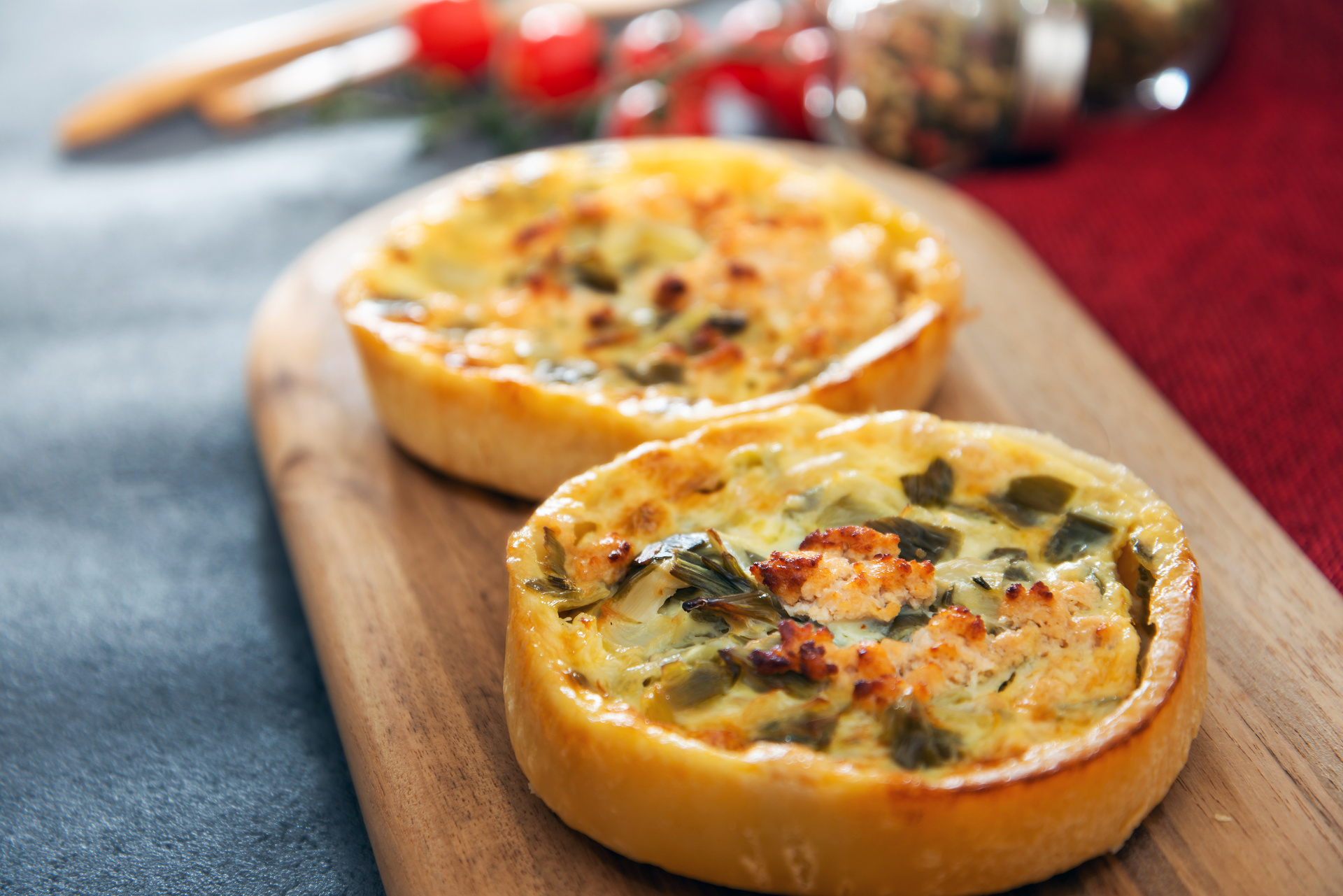
A great quiche should hold its shape when sliced, without being dense or rubbery. The custard should be smooth and just set, not watery and not overcooked. The crust should be sturdy enough to hold everything together but still tender, not soggy on the bottom or overly thick. When all three of those pieces come together, quiche becomes something worth seeking out rather than settling for.
The Crust: Why It Matters More Than People Expect
The crust is often the first thing people judge, even if they do not consciously think about it. A quiche crust needs to do two things at once: hold up under a wet filling and still taste like something worth eating on its own.
Bakeries that make quiche well usually blind bake or partially bake the crust before adding the filling. This step helps prevent a soggy bottom, where the crust turns mushy from the custard soaking in during baking. A properly baked crust should be flaky, lightly golden, and sturdy enough to support a full slice without collapsing. King Arthur Baking’s classic Quiche Lorraine recipe walks through this blind-baking step and the standard crust-to-custard proportions in more detail, for anyone curious about the technique behind it.
Butter quality matters here too. A crust made with real butter tends to have better flavor and a more distinct, flaky texture compared to crusts made with shortening or lower-quality fats. Even small differences in fat and technique tend to show up clearly once the quiche is sliced.
The Custard: Getting the Texture Right
The custard is the part of quiche most likely to go wrong, and it is also the easiest way to judge quality. A great quiche custard should be silky and just barely set, similar to a soft baked egg dish, not stiff, rubbery, or full of air pockets.
This texture comes down to the ratio of eggs to dairy and how carefully the quiche is baked. Too many eggs and not enough cream or milk, and the custard turns dense and eggy. Too much liquid, and it can turn watery or fail to set properly. Baking at too high a temperature can cause the custard to puff, crack, or curdle instead of baking into a smooth, even texture.
Doneness in an egg-based dish like quiche is also a food safety question as much as a texture one. The USDA’s safe minimum internal temperature guidance lists egg dishes, including quiche, as safely finished once the center reaches 160°F, which in practice tends to line up closely with the point where the custard shifts from loose to gently set. When you taste a well-made quiche, the custard should feel rich but light, never heavy or greasy.
Filling Combinations and Balance
Fillings are where bakeries get to show some personality, but even here, balance matters more than variety. A great quiche filling should complement the custard rather than overwhelm it.
Vegetables should be cooked down before baking so they do not release excess moisture into the custard. Cheese should be used with intention, enough to add flavor and richness without making the filling greasy or heavy. Proteins, when included, should be evenly distributed so every slice gets a fair share rather than a few bites concentrated with everything and the rest left bare.
The best bakery quiches tend to favor a few well-chosen ingredients over a long list of add-ins. A crowded filling can mask the custard entirely, which defeats the purpose of a good quiche in the first place.
Quiche for Breakfast, Lunch, or Catering
One of the most underrated things about quiche is how well it works across different times of day. For breakfast Baltimore regulars, quiche pairs naturally with coffee and offers something heartier than a pastry without feeling like a full sit-down meal.
At lunch, quiche holds its own alongside a salad or soup, making it a solid choice for anyone searching for a lunch cafe near me that offers something more substantial than a basic sandwich.
Quiche also travels and reheats well, which makes it a practical option for catering. A quiche tray works for morning meetings, brunch gatherings, or casual lunches where guests want something warm, filling, and easy to serve without last-minute prep.
What to Look For at a Bakery Cafe Near You
If you are comparing options while searching for a bakery cafe near me, a few small details can tell you a lot about quality before you even take a bite. Look at the crust edge: it should look distinct and slightly browned, not pale or soft. The custard should look smooth and set, without cracks, excess liquid, or a spongy, overcooked surface.
Freshness also matters. Quiche that has been sitting out too long can dry out or develop a rubbery texture, so a bakery that bakes in smaller batches throughout the day tends to offer a better experience than one baking large trays far in advance.
If you are unsure what is available on a given day, it is worth checking what is fresh before you order online for pickup, since quiche selections can vary by day and season.
Frequently Asked Questions
What makes a quiche different from an omelet or frittata?
Quiche is baked inside a pastry crust, while omelets and frittatas are typically crustless. Quiche also relies on a custard base of eggs and dairy, which gives it a smoother, richer texture.
Is quiche a good option for lunch, not just breakfast?
Yes. Quiche pairs well with a side salad or soup and works as a satisfying lunch option, not just a breakfast dish.
Can quiche be ordered for catering or group events?
Many bakeries offer quiche as part of their catering options, since it reheats well and serves easily in a group setting.
Why does quiche sometimes turn out watery or rubbery?
Watery quiche usually comes from too much liquid in the filling or vegetables that were not cooked down first. Rubbery quiche is often the result of overbaking or too high an oven temperature.
How can I tell if a bakery quiche is fresh?
Look for a distinct, golden crust and a smooth, set custard. Freshly baked quiche should look moist but not wet, and the crust should not appear soggy or discolored.
A Simple Dish That Rewards Attention to Detail
Great quiche is not about complicated ingredients or elaborate presentation. It comes down to a sturdy, flavorful crust, a smooth and properly set custard, and a filling that adds character without overwhelming the dish. Once you know what to look for, it becomes easy to tell the difference between an average slice and one worth coming back for.
If you have been craving a slice, stop by a Kneads location to see what is fresh today, or explore the menu to plan ahead for your next breakfast or lunch.