Pizza-Making Class in Baltimore: What to Expect From a Hands-On Experience
There is a particular kind of satisfaction in pulling a pizza you shaped yourself out of a hot oven. It might look a little different from a pizzeria pie, maybe a bit lopsided around the edges, but it tastes like something you actually made. If you have been searching for a pizza-making class in Baltimore and wondering what the experience is actually like, this guide walks through what you can expect from dough to first bite.
A good pizza-making class should feel more like a fun night out than a culinary lecture. Whether you are interested in a date night, a group outing, or simply a different way to spend an evening, a hands-on pizza class gives you something to do together and something to eat at the end. It also removes much of the intimidation that can come with trying a new cooking skill alone at home, since you have an instructor there to help you work through the process.
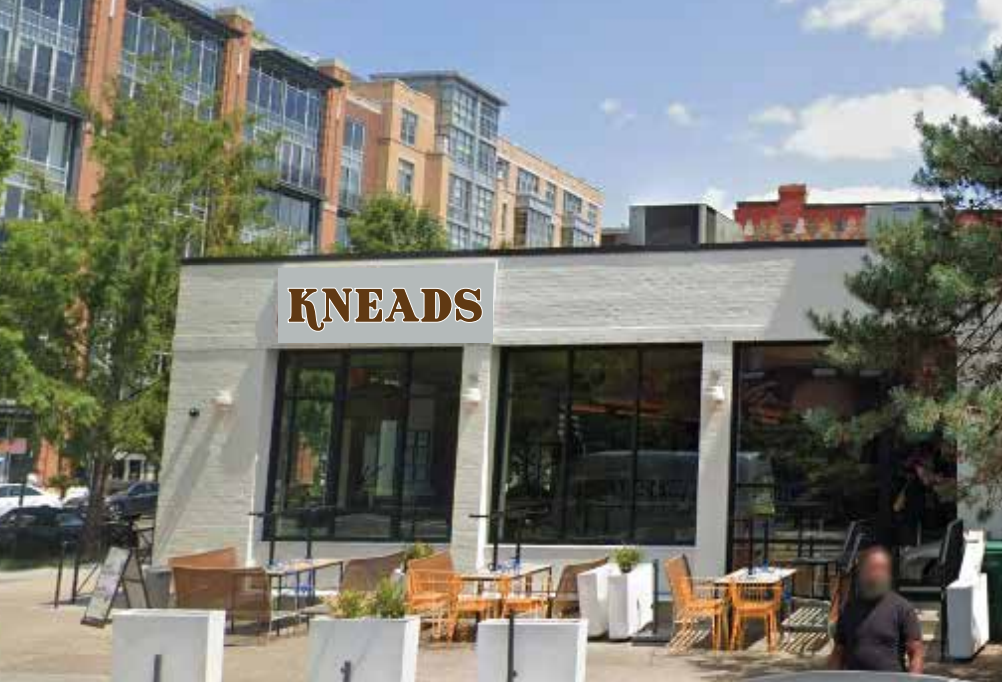
Kneads includes pizza among its Baltimore baking classes and features a Pizza & Wine Class as part of its Experiences program. Individual sessions are scheduled on specific dates, so anyone interested in attending should check the current Kneads Experiences schedule to see which classes are coming up.
What Happens During a Pizza Making Class
Most pizza-making classes follow a similar arc. You will usually start with a short introduction to the dough itself: how it was made, how fermentation affects it, and what makes the dough behave the way it does once you start working with it.
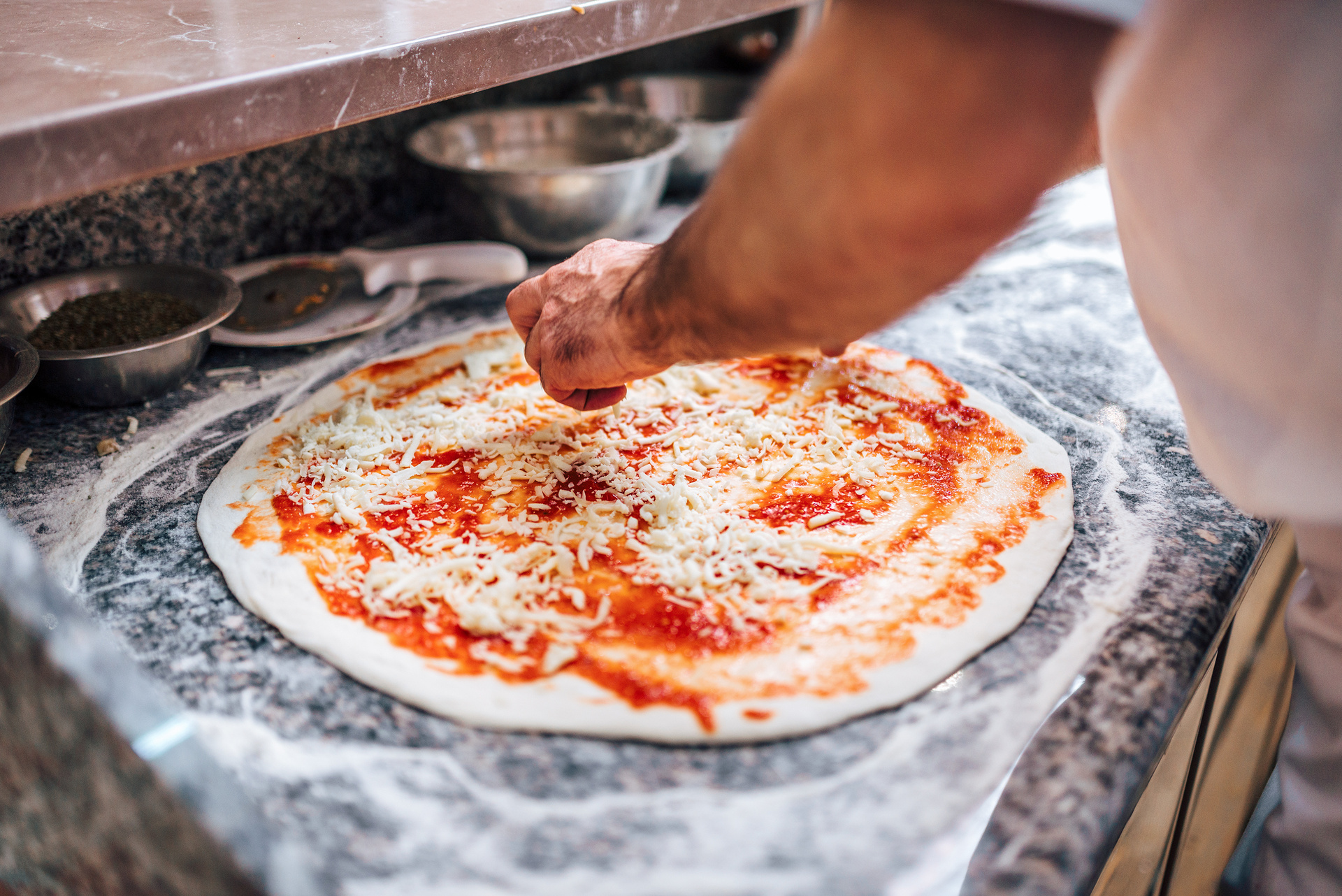
From there, the experience becomes hands-on. Participants typically work directly with pizza dough, learning how to shape it into a round and prepare it for sauce, cheese, and other toppings.
The exact format can vary depending on the class, but the goal is generally the same: understand enough about the process to appreciate what goes into a well-made pizza while having fun along the way.
Kneads’ Pizza & Wine Class combines the hands-on pizza-making experience with a complimentary beer or wine, giving the event more of a relaxed night-out atmosphere than a traditional culinary lesson. Check the specific event listing before attending for the most current class details.
Techniques You Can Learn in a Pizza Making Class
A pizza making class is really a lesson in dough handling as much as it is a lesson in pizza. Several fundamental techniques tend to come up during a hands-on session.
Shaping Pizza Dough by Hand
One of the most useful skills to learn is how to shape pizza dough by hand rather than flattening it with a rolling pin.
Hand-shaping helps preserve the air that developed inside the dough during fermentation. Pressing too aggressively or flattening the entire dough can remove much of that air, leaving the finished crust flatter and denser.
King Arthur Baking’s guidance on shaping round pizza dough demonstrates this type of hand-shaping technique in more detail for anyone who wants to continue practicing at home.
The technique takes some patience. Dough that has not relaxed enough may spring back when stretched, while dough that is handled too aggressively can tear. Working with an instructor allows you to see what properly prepared dough should feel like and adjust your technique before those small problems turn into a disappointing crust.
Finding the Right Topping Balance
More toppings do not automatically make a better pizza.
A heavily overloaded pizza can become difficult to move, harder to bake evenly, and more likely to develop a soggy center. Sauce, cheese, vegetables, and other toppings all contribute moisture and weight.
A hands-on class can help participants understand how much is enough and how toppings should be distributed so that one section of the pizza is not overloaded while another is nearly empty.
Learning a little restraint is often one of the most useful pizza-making lessons to take home. Once the dough itself is good, the goal is to choose toppings that complement the crust rather than bury it.
Learning to Read the Bake
Pizza is also a useful way to learn how to judge food visually instead of relying entirely on a timer.
Crust color, bubbling cheese, browned edges, and the appearance of the toppings can all indicate whether a pizza needs more time or is ready to come out of the oven.
An instructor can help point out those signals in real time, making it easier to recognize them later when you make pizza at home.
By the end of a class, you may leave with a better understanding of how pizza dough behaves, not just a finished pizza.
Why Hand-Shaping Pizza Dough Matters
Hand-shaping is not just a stylistic choice.
It is an important part of traditional pizza-making methods, particularly Neapolitan pizza. The Associazione Verace Pizza Napoletana, the organization dedicated to preserving the tradition of authentic Neapolitan pizza, specifies that the dough disc for true Neapolitan pizza is shaped by hand rather than with a rolling pin or mechanical press.
The traditional technique gradually moves air from the center toward the outside of the dough, helping create the raised outer crust associated with this style of pizza.
You do not need to be trying to produce a competition-level Neapolitan pizza to benefit from the technique. For a beginner, learning how to stretch dough without tearing it or flattening all of the air out of it is simply one of the most transferable skills a pizza class can teach.
It also gives participants a better appreciation for why properly handled pizza dough looks and feels different from dough that has simply been rolled flat.
Who Is a Pizza Making Class For?
One of the appealing things about pizza making classes is how broadly they can work for different kinds of groups.
Complete beginners can participate because these experiences are generally built around learning the process rather than arriving with existing culinary expertise.
Couples looking for a hands-on date night may enjoy the collaborative and slightly messy nature of working with dough together. Unlike a typical dinner date, there is an activity built into the evening that gives you something to work on and talk about.
Groups of friends may also find a pizza class a more interactive alternative to simply meeting for dinner or drinks.
For people who already enjoy cooking at home, a class offers an opportunity to improve a specific technique and ask questions while actually handling the dough rather than trying to troubleshoot a recipe afterward.
The experience can therefore work equally well as an introduction for beginners or as a casual skills refresher for people who have made homemade pizza before.
Pizza Making Classes vs. General Cooking Classes in Baltimore
Searching for cooking classes in Baltimore, MD can turn up a wide variety of experiences. Some focus on knife skills, baking, specific cuisines, or complete multi-course meals.
A pizza-making class stands out because it is built around one focused and recognizable process: working with dough, shaping a pizza, choosing toppings, and baking it.
That focus makes pizza a particularly approachable entry point for someone interested in hands-on cooking classes but not ready to commit to something more technical.
It also teaches a skill that is relatively easy to revisit at home. Once you understand how to handle and stretch pizza dough, you can continue experimenting with different crusts, sauces, cheeses, and toppings in your own kitchen.
That makes the experience both recreational and practical. You get an enjoyable outing, but you may also leave with a technique you can use again.
Why an In-Person Pizza Class Can Be Helpful
There are countless pizza recipes and instructional videos available online, but dough is one of those things that can be difficult to fully understand until you touch it.
A recipe can tell you that the dough should be elastic, relaxed, or properly fermented. An instructor can actually show you what those descriptions mean.
If your dough keeps shrinking back while you stretch it, tears in the center, or sticks to your hands, you can get immediate feedback rather than trying to figure out what went wrong after the pizza has already baked.
That real-time guidance is one of the biggest differences between learning from a recipe and learning in a class.
The same is true for topping and baking. Seeing how much sauce is appropriate or what the crust looks like when it is properly baked can make those concepts much easier to reproduce later.
What to Know Before Attending a Pizza Class
Pizza-making experiences generally provide the ingredients and equipment needed for the class, so participants typically do not need to arrive with specialized baking tools.
The specific format can vary from event to event, though, so reviewing the details for a particular session before attending is important.
A few practical things are worth keeping in mind:
- Wear comfortable clothing that you do not mind getting a little flour on.
- Expect to work directly with dough rather than simply watch a demonstration.
- Check whether drinks or other extras are included with the specific event.
- Confirm the class location before heading out.
- If you are interested in attending with a larger group, ask about group accommodations for the specific event.
- Check current class availability rather than assuming pizza sessions are offered on a fixed weekly or monthly schedule.
Kneads lists pizza among the baking classes it offers in Baltimore and features its Pizza & Wine Class on the Experiences page. Because individual sessions are date-specific, the current Upcoming Events schedule is the best place to see whether a pizza class is presently available to reserve.
Frequently Asked Questions
Do I need cooking experience to take a pizza making class?
No. Pizza making classes are generally approachable for beginners, and the hands-on format gives participants an opportunity to learn basic dough handling and pizza-making techniques with guidance.
Is a pizza-making class good for a date night?
Yes. Making pizza gives couples a shared activity rather than simply sitting down for a meal, which can make it a fun option for a more interactive date night.
What do you learn in a pizza making class?
Classes can vary, but common skills include working with pizza dough, hand-shaping, balancing toppings, preparing the pizza for baking, and recognizing when the crust is properly baked.
How is a pizza making class different from a general cooking class?
A pizza class focuses primarily on dough handling, shaping, topping, and baking a pizza, while general cooking classes may cover a much broader range of ingredients, dishes, and culinary techniques.
Does Kneads offer pizza making classes in Baltimore?
Yes. Kneads lists pizza among its baking classes and features a Pizza & Wine Class as part of its Baltimore Experiences program. Individual class dates vary, so check the current Upcoming Events schedule to see what is presently available.
Can pizza making classes work for groups?
They can. The collaborative nature of shaping and topping pizzas makes this type of class well suited to friends, couples, and other small groups. Availability and group accommodations should be confirmed for the specific class you are considering.
A Hands-On Experience Worth Watching For
A pizza-making class turns a familiar food into something you understand differently. Working directly with the dough teaches you why shaping matters, how topping balance affects the finished pizza, and what to look for when a crust comes out of the oven.
It is also a low-pressure way to learn a practical technique while spending time with friends, a partner, or other people who enjoy good food.
Kneads includes pizza among its Baltimore baking classes and features a Pizza & Wine Class as part of its Experiences program. If a hands-on pizza night sounds like your kind of evening, check the Kneads Experiences page for the current class schedule and availability.