Matcha Latte, Chai Latte, or Coffee: What Should You Order?
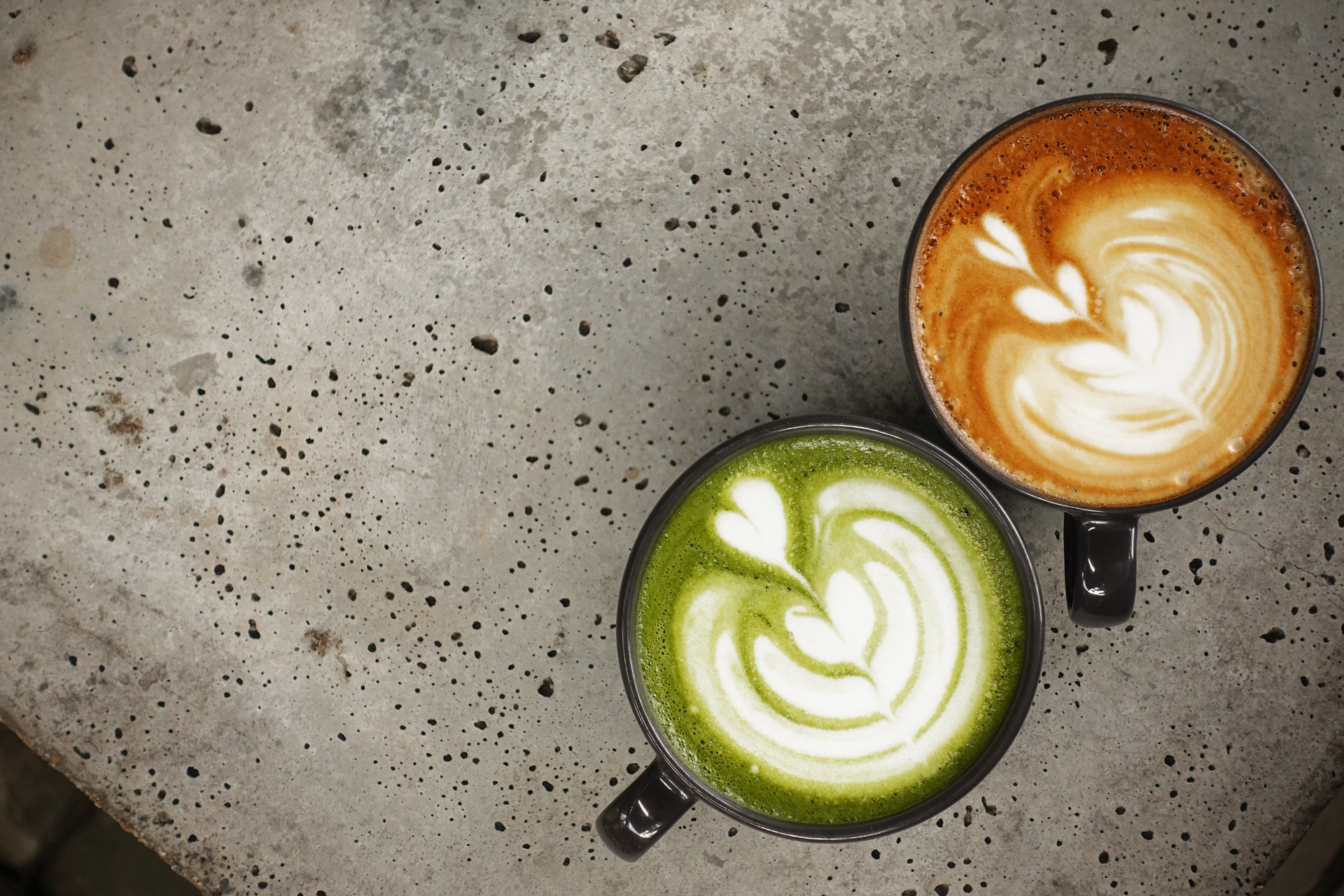
Standing at the counter deciding between a matcha latte, a chai latte, and a plain coffee is a familiar kind of hesitation. All three are warm, comforting, and popular, but they offer genuinely different experiences once you get past the surface. If you have been searching for a matcha latte near me and wondering how it actually compares to chai or coffee, this guide breaks down what separates the three so you can order with more intention.
What Makes Matcha Different
Matcha is a finely ground powder made from whole green tea leaves, which sets it apart from steeped teas where the leaves are removed before drinking. Because you are consuming the whole leaf rather than just an infusion, matcha tends to deliver a fuller, more vegetal, slightly sweet flavor compared to a typical cup of green tea.
Matcha also contains L-theanine, an amino acid associated with a calmer, steadier form of alertness compared to the sharper jolt some people associate with coffee. This is part of why matcha has built a reputation as a gentler pick-me-up, even though it still contains real caffeine. As a latte, matcha is typically whisked with steamed milk, which softens its natural bitterness and gives it a smoother, creamier texture than a straight bowl of matcha.
What Makes Chai Different
Chai is a different category entirely. According to the history of masala chai, the drink originated on the Indian subcontinent as a blend of black tea steeped with spices and milk, traditionally including ingredients like cardamom, cinnamon, ginger, and cloves. The word “chai” itself simply means “tea,” and the version most people order in the U.S. is really a spiced, milky black tea rather than a distinct plant or leaf type.
This spice blend is what gives chai its warm, slightly sweet, almost dessert-like character. Unlike matcha’s vegetal flavor or coffee’s roasted bitterness, chai’s flavor comes primarily from the spices layered into the tea base, which is why chai lattes often taste noticeably different depending on the specific spice blend used.
What Makes Coffee Different
Coffee is brewed from roasted coffee beans, and that roasting process is what gives coffee its deep, sometimes bitter, sometimes fruity flavor depending on the roast level. Unlike matcha or chai, coffee has no tea leaf base at all, which is part of why its flavor profile and caffeine delivery feel so different.
Coffee is generally the most straightforward of the three in terms of what you are getting: a direct, roasted flavor with a more immediate caffeine effect for most people, compared to the steadier feeling associated with tea-based drinks like matcha.
Comparing Caffeine and Energy Feel
Caffeine content varies across all three drinks, and it is worth understanding the general pattern rather than fixating on exact numbers, since brewing method and serving size change the final amount considerably. According to the FDA’s consumer guidance on caffeine, an 8-ounce cup of coffee typically falls in the range of 80 to 100 milligrams, while an 8-ounce cup of tea, including the base tea used in chai, generally falls in the 30 to 50 milligram range. Matcha, since it uses the whole leaf rather than a steeped infusion, tends to land somewhere above a typical steeped tea, though usually below a full cup of coffee.
The FDA also notes that most healthy adults can safely consume up to 400 milligrams of caffeine per day, which is a helpful general reference point regardless of which of these three drinks you are choosing between. None of this is meant as personal health advice, so if you have specific caffeine sensitivities or concerns, it is worth checking with a healthcare provider rather than relying on general averages.
Which to Order Based on What You Want
If you want a steady, calm kind of focus without a sharp caffeine spike, a matcha latte is generally the better choice. If you are drawn to warm, spiced comfort more than caffeine itself, a chai latte tends to deliver on flavor first, with caffeine as a secondary benefit. If you want the most direct, familiar caffeine boost with a classic roasted flavor, coffee remains the most predictable option.
None of these are strictly better than the others. They are built around different priorities: matcha for steady energy and a clean, vegetal flavor, chai for spiced warmth and sweetness, and coffee for a familiar, roasted intensity.
Baltimore Coffee and Tea Culture
Baltimore coffee and tea options have expanded well beyond a simple choice between drip coffee and black tea. Bakery cafes and coffee shops across the city increasingly offer all three drinks side by side, which makes this comparison more relevant than it might have been a decade ago, when matcha and chai lattes were harder to find outside of specialty tea shops.
If you are searching for tea and coffee near me and want variety without sacrificing quality, a bakery cafe that treats all three categories seriously, rather than offering chai or matcha as an afterthought, tends to be the better bet.
What About Flavor and Sweetness
One more practical consideration is sweetness. Chai lattes are often the sweetest of the three by default, since the spice blend and milk create a naturally dessert-like flavor even before any added sugar. Matcha lattes vary more, since matcha’s natural bitterness means some recipes lean sweet to balance it out, while others stay closer to matcha’s earthy, less sweet character. Coffee offers the most control, since a plain black coffee has no inherent sweetness at all, leaving that choice entirely up to you.
If you are trying to cut back on sugar without giving up the ritual of ordering a specialty drink, asking how a matcha or chai latte is prepared, and whether sweetener is added by default, is worth doing before you order.
Frequently Asked Questions
Does matcha have less caffeine than coffee?
Generally, yes. Matcha typically contains less caffeine than a full cup of coffee, though it usually contains more than a standard steeped tea, since matcha uses the whole leaf.
Is chai tea or coffee?
Chai is a tea-based drink, typically made with black tea, milk, and a blend of spices. It is not coffee, despite sometimes being served in similar café settings.
Which drink has the smoothest energy without a crash?
Matcha is often described this way, due to the presence of L-theanine, which many people associate with a steadier, calmer form of alertness compared to coffee.
Is a chai latte usually sweeter than a matcha latte?
Often, yes. Chai’s spice blend and milk base tend to create a naturally sweeter flavor by default, while matcha’s flavor is more variable depending on how it is prepared.
Can I order any of these without dairy?
Many bakery cafes and coffee shops offer non-dairy milk options for matcha and chai lattes. It is worth asking about current options when you order.
Choosing Based on What You Actually Want
Matcha, chai, and coffee are not competing for the same experience. Each one offers a different flavor, a different caffeine curve, and a different reason to order it. Once you know what you are actually looking for, whether that is steady focus, spiced comfort, or familiar intensity, the choice becomes much easier.
Next time you are deciding, think less about which drink is “better” and more about what kind of experience you want that day. If you want to compare all three in person, it is worth checking the current drink menu before you decide, or stopping by a Kneads location to try them side by side.