Coffee and Pastry Pairings: How to Choose the Right Combination

Grabbing a coffee and a pastry together is easy. Choosing a combination that actually tastes better together than apart takes a little more thought. If you have been searching for coffee and pastries near me and wondering whether there is any real logic to pairing the two, the short answer is yes, and it is more approachable than it sounds.
Pairing coffee and pastries well comes down to a few basic ideas: matching or contrasting flavor intensity, paying attention to roast level, and thinking about texture alongside taste. None of this requires expert-level palate training. It just requires knowing what to pay attention to, and once you notice the pattern a few times, it becomes second nature.
Why Pairing Coffee and Pastries Is More Than Just Grabbing Both
A pairing works when the coffee and the pastry either reinforce each other’s flavors or create a pleasant contrast, rather than canceling each other out. According to the Institute of Culinary Education, flavor pairing generally falls into two categories: complementary pairings, where similar flavor notes reinforce each other, and contrasting pairings, where different qualities, like sweet and bitter, create an intentional tension that makes both elements more interesting.
Applied to coffee and pastries, this means a rich, buttery croissant might pair well with a smooth, low-acid coffee that will not compete with its richness, while a bright, citrusy coffee might pair well with something less sweet, since too much sugar alongside high acidity can taste unbalanced.
Understanding Coffee Flavor Profiles
Coffee flavor is not one-dimensional, and the specialty coffee industry has built entire systems around describing it. The Specialty Coffee Association’s Coffee Taster’s Flavor Wheel, developed in collaboration with World Coffee Research, organizes coffee flavor into categories like fruity, nutty, chocolatey, and floral, giving a shared vocabulary for what is actually happening in a cup.
Roast level plays a large role here. Lighter roasts tend to preserve brighter, more acidic, fruit-forward notes, while darker roasts develop deeper, more caramelized, sometimes smoky flavors. Knowing roughly where a coffee falls on that spectrum is one of the most useful tools for pairing it with food, since it tells you whether you are working with something bright and delicate or something bold and rich. Most bakeries can tell you the general roast level of what they are serving if it is not listed on the menu, which makes this an easy question to ask before you order.
Pairing Light Roasts with Delicate Pastries
Lighter roasts, with their brighter acidity and more nuanced flavor notes, tend to pair well with pastries that will not overwhelm them. Something like a plain croissant, a lightly sweetened scone, or a fruit-topped tart can let a light roast’s fruit and floral notes come through rather than getting buried under heavy sweetness or richness.
This is also where contrasting pairings can work nicely. A tart, fruit-based pastry alongside a light roast with citrus notes can either amplify each other or create a bright, lively combination, depending on how the specific flavors line up. It is worth experimenting here, since the same pastry can taste noticeably different depending on which coffee sits next to it.
Pairing Dark Roasts with Rich Pastries
Darker roasts, with their deeper, more caramelized flavor, tend to stand up well against richer pastries. A chocolate croissant, a dense muffin, or a buttery Danish can hold their own next to a bolder coffee without getting lost, and the coffee’s slightly bitter edge can actually cut through some of the pastry’s sweetness in a pleasant way.
This is a classic complementary pairing: both the coffee and the pastry are working in a similar register of richness and depth, so neither one feels out of place next to the other.
Lattes and Milk-Based Drinks: A Different Pairing Logic
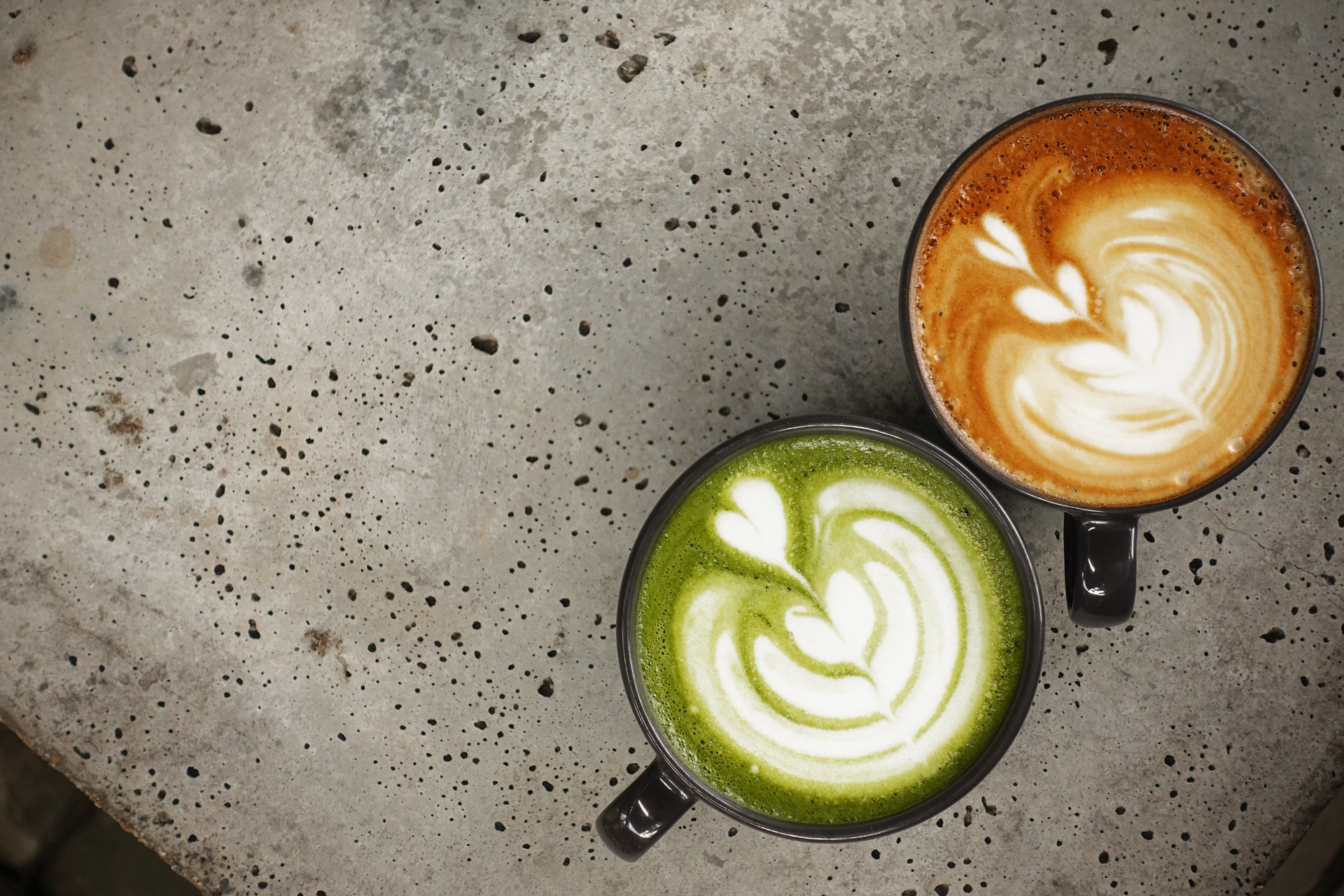
A latte near me search often reflects a slightly different priority than a search for straight coffee, since milk changes the pairing logic considerably. The added sweetness and creaminess of a latte can soften a pastry that would otherwise feel too rich on its own, which is part of why lattes pair so naturally with heavier pastries like croissants or laminated dough.
At the same time, a latte can sometimes compete with a very sweet pastry, since both are working with similar creamy, mellow flavors. If you are ordering a particularly sweet item, a straight coffee or a less sweetened latte can offer more contrast and keep the overall combination from feeling flat. This same logic applies to other milk-based drinks, like cappuccinos or cortados, where the ratio of milk to coffee shifts how much contrast or sweetness the drink brings to the table.
What to Order When You Are Not Sure
If you are not confident about matching specific flavor notes, a simple rule of thumb works well: match intensity. A light, delicate pastry generally pairs better with a lighter, less intense coffee, while a rich, heavier pastry can generally stand up to a bolder coffee or a well-made latte.
If you want to check what is available before deciding, it helps to browse the current pastry and coffee menu so you can think through the pairing before you order rather than choosing on the fly. If you are visiting in person, it can also help to ask what is freshly baked that day, since a pastry straight out of the oven pairs differently than one that has been sitting a while.
Frequently Asked Questions
Is there an actual science to pairing coffee and pastries?
Yes, to an extent. Flavor pairing generally follows principles of complementary and contrasting flavors, and roast level plus pastry richness are the two most useful factors to consider.
What pastry pairs best with a light roast coffee?
Lighter, less sweet pastries, like a plain croissant or a fruit-topped tart, tend to let a light roast’s brighter, more delicate flavors come through.
What pastry pairs best with a dark roast coffee?
Richer, sweeter pastries, like a chocolate croissant or a dense muffin, tend to hold up well against a bolder, darker roast.
Are lattes good with pastries, or do they compete?
Lattes generally pair well with richer pastries, since the milk softens intensity, but they can occasionally compete with very sweet items, where a less sweetened drink offers better contrast.
What if I do not know the roast level of my coffee?
Look at the color and ask if it is unclear. As a general guide, lighter-colored coffee tends to be brighter and more delicate, while darker coffee tends to be bolder and more intense.
A Small Amount of Thought Goes a Long Way
Pairing coffee and pastries well is not about following strict rules. It is about paying attention to intensity, sweetness, and roast level, and choosing combinations that either reinforce or thoughtfully contrast with each other. Once you start noticing these patterns, it becomes much easier to build a combination that actually works, rather than just grabbing whatever is closest to the register.
Next time you are deciding what to order, take a second to think about how the coffee and pastry will actually taste together, not just what sounds good separately. If you want to try it out in person, any Kneads location is a good place to start experimenting.