Bakery Cafe vs Coffee Shop: What Makes the Experience Different?
At a glance, a bakery cafe and a coffee shop can look similar. Both serve coffee, both have a counter, both have a few pastries in a case near the register. But the experience of sitting down in each one tends to feel noticeably different, and that difference comes down to more than just the drink menu. If you have been searching for bakery and coffee near me and wondering what actually distinguishes the two, the answer is mostly about what is happening behind the counter, not just what is in front of it.
Understanding that difference can also save you from a mismatched visit. Showing up somewhere expecting a full breakfast menu, only to find a short list of coffee drinks and a few grab-and-go snacks, is a common enough experience that it is worth knowing what to expect before you walk in.
What Defines a Bakery Cafe
A bakery cafe is built around food production as much as beverage service. According to the American Society of Baking, artisan bakeries are typically defined by hands-on production methods, hearth-style baking, and a focus on craft over speed, which shapes not just the bread but the entire menu built around it.
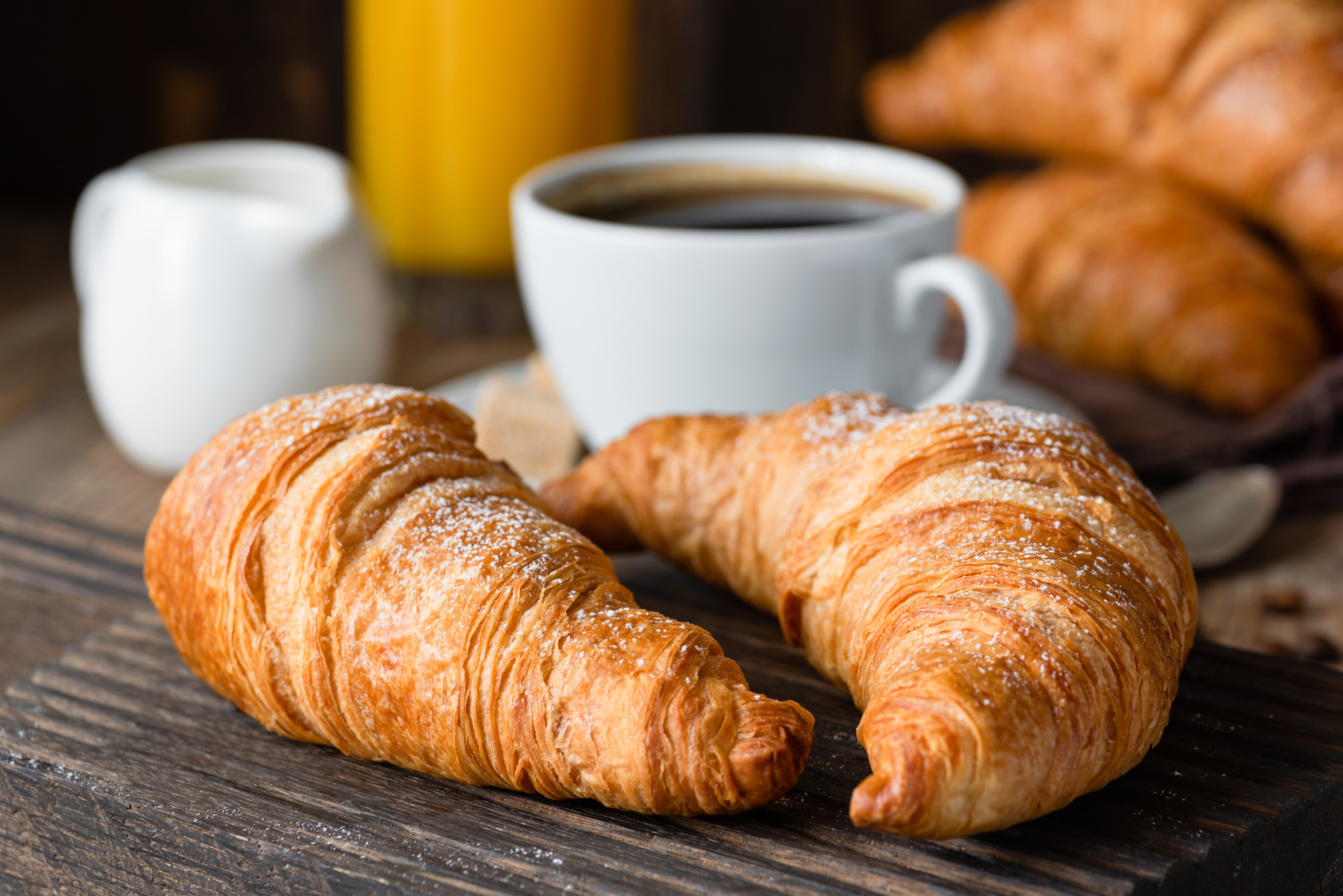
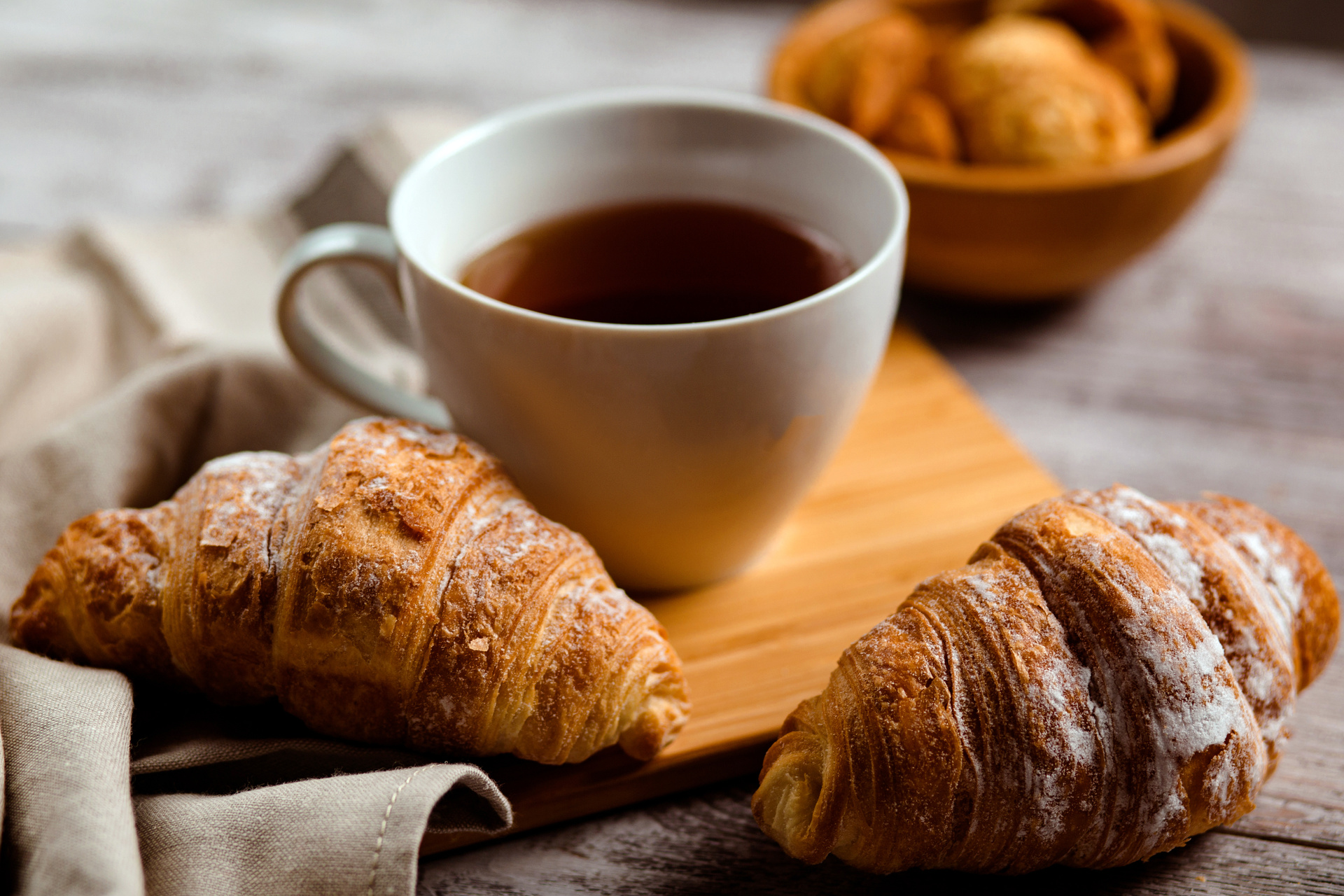
In practice, this means a bakery cafe usually has a working kitchen or bakeshop on-site, a rotating selection of fresh bread and pastries, and a food menu that goes well beyond a few grab-and-go snacks. The coffee is part of the experience, but it usually is not the main event. The bread, pastries, and prepared food are.
What Defines a Coffee Shop
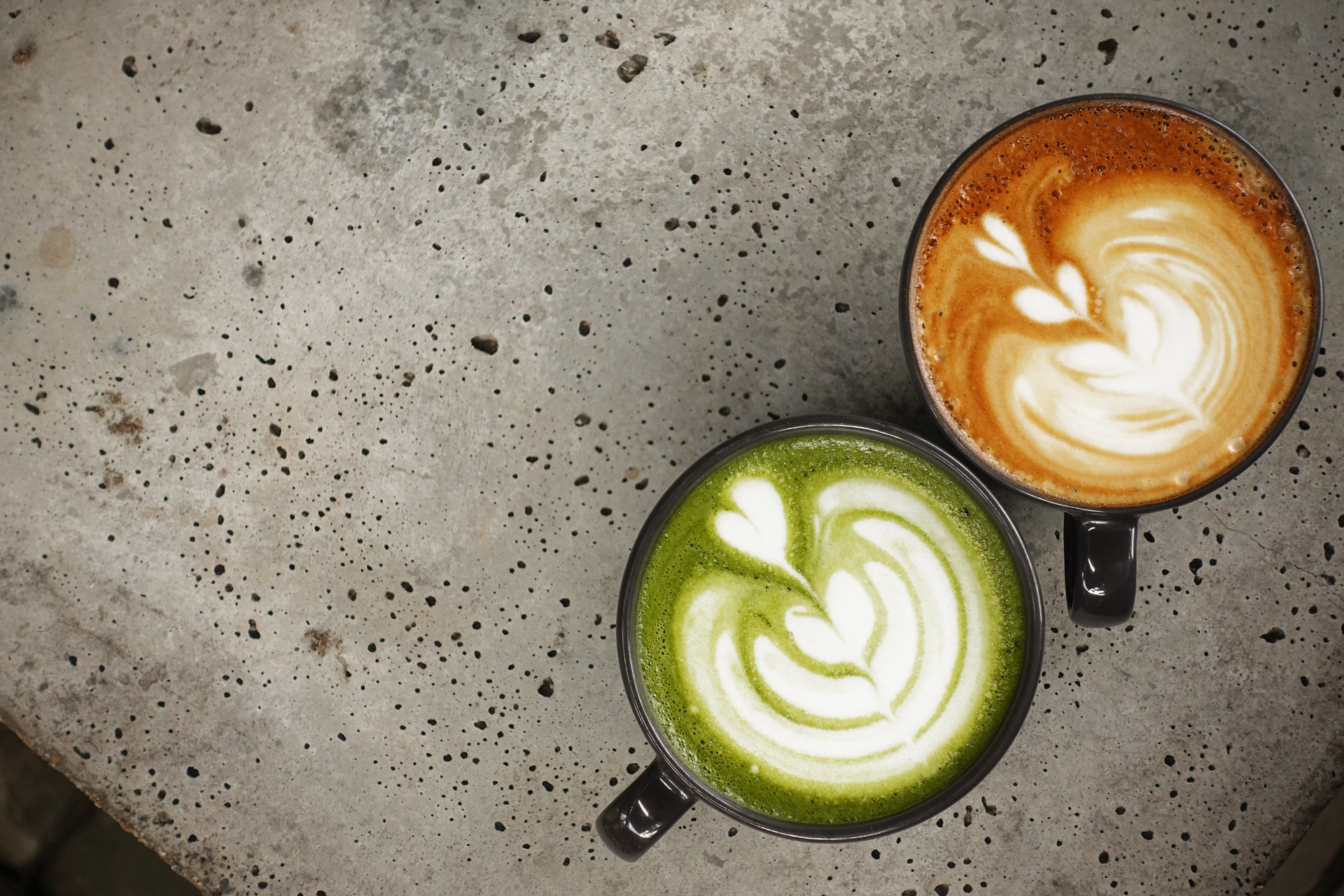
A coffee shop, by contrast, is built around the beverage itself. The Specialty Coffee Association tracks how much of the American coffee market has shifted toward specialty-grade coffee, meaning beans sourced, roasted, and brewed with an emphasis on quality and origin. A good coffee shop tends to invest heavily in that side of the experience: bean sourcing, roast profiles, brewing methods, and barista technique.
Food at a coffee shop is often secondary. Many coffee shops offer pastries or light snacks, but those items are frequently sourced from an outside supplier rather than made in-house, since the primary focus of the business and staff training is the coffee program itself.
How to Tell the Difference Before You Walk In
A few visual cues tend to give away which type of space you are looking at before you even order. A bakery cafe often has a visible bread and pastry case near the entrance, sometimes with a working bakeshop in view, and a menu board that lists breakfast or lunch items alongside coffee. A coffee shop’s menu board, by comparison, tends to be dominated by drink names and sizes, with food items listed as an afterthought near the bottom.
Seating layout is another clue. Bakery cafes often have a mix of table sizes meant to accommodate a full meal, while coffee shops frequently favor smaller counters and single-person seating built for a quick stop or a laptop session.
Atmosphere and Dining Experience
The atmosphere in each type of space often reflects its priorities. A coffee shop is frequently designed for quick turnover or focused work: smaller tables, efficient counter service, and a layout built around grabbing a drink and moving on or settling in with a laptop.
A bakery cafe tends to lean into a slower, more communal dining experience. Because the menu supports actual meals, not just beverages and light snacks, the seating and layout often accommodate people staying longer, eating breakfast or lunch, or gathering in small groups. This does not mean one atmosphere is better than the other. It means they are built for different kinds of visits.
Menu Differences: Food Variety vs. Coffee Focus
The clearest practical difference between the two shows up on the menu. A coffee shop menu is usually built around variations of coffee and espresso drinks, with a short list of food add-ons. A bakery cafe menu tends to be built the opposite way: bread, pastries, and prepared food form the core, with coffee and other beverages rounding it out.
This distinction matters if you are deciding where to go for a specific need. If you want a serious cup of coffee and a quiet corner to work, a coffee shop may serve you better. If you want breakfast, lunch, or a proper pastry alongside your coffee, a bakery cafe is generally the stronger choice. You can usually get a sense of which category a specific spot falls into by browsing its menu ahead of time.
Why On-Site Baking Changes the Experience
One of the most meaningful differences between a bakery cafe and a coffee shop is what happens in the kitchen. A bakery cafe with on-site production means bread and pastries are typically baked in small batches throughout the day, which affects freshness in a way that is hard to replicate with delivered goods.
This also tends to shape the smell and feel of the space itself. A working bakeshop visible from the dining area, the smell of bread baking, or pastries coming out of the oven mid-morning are all details that come from active, on-site production rather than a menu stocked from an outside supplier. It is one of the easiest ways to tell, without asking anyone, whether a space is treating food as a core part of the business or as a secondary offering.
Choosing Between Them Depending on What You Want
Neither format is inherently better. A coffee shop searching for cafe bakery Baltimore visitors might expect will excel at what it is built for, a focused, well-executed coffee program. A bakery cafe will generally offer a broader food experience, with coffee as one part of a larger menu rather than the entire point of the visit.
The right choice usually depends on what you are looking for that day: a quick, high-quality coffee to go, or a sit-down experience with real food alongside it.
Frequently Asked Questions
What is the main difference between a bakery cafe and a coffee shop?
A bakery cafe centers its menu around fresh, in-house baked bread and pastries, while a coffee shop centers its menu around the coffee program itself, with food often playing a secondary role.
Which one has better food?
This depends on your definition of better. A bakery cafe typically offers a wider, more substantial food menu, since food production is central to the business rather than an add-on.
Do bakery cafes take coffee quality seriously?
Many do, though the emphasis is usually split between coffee and food rather than concentrated entirely on the coffee program the way a dedicated coffee shop’s is.
Is a bakery cafe a good place to work from a laptop?
It depends on the specific location, but bakery cafes are often designed with more seating meant for longer visits, which can make them a comfortable option for working.
What should I look for if I want fresh bread with my coffee?
Look for a bakery cafe with a visible bakeshop or clear signs of on-site baking, since this usually indicates fresher bread and pastries than a coffee shop sourcing food from an outside supplier.
Two Different Experiences, Not a Competition
A bakery cafe and a coffee shop are solving different problems, even though they may look similar from the outside. One is built around food craft, the other around beverage craft, and knowing the difference can help you choose the right stop depending on what you actually want that day.
If a full food menu alongside your coffee sounds like what you are after, it is worth visiting a bakery cafe near you and seeing the difference in person.